Diferencia entre diamante natural y de laboratorio: una mirada honesta

Every now and then, someone walks into my workshop in Melbourne with that unmistakable mix of excitement and confusion. They’ve finally decided to buy a diamond—maybe for an engagement ring, maybe as an investment, maybe just because they’ve dreamt of owning one since childhood. But the very moment they sit down, the same question always tumbles out:
“What’s the real diferencia entre diamante natural y de laboratorio? And does it even matter?”
Honestly, a few years back, I didn’t expect this question to become such a daily part of my work. Lab-grown diamonds were once this niche thing, whispered about at trade shows and dismissed by old-school gem merchants who thought technology had no place in something as romantic as jewellery. But times change, and so do people’s expectations.
Now, lab-grown diamonds — sometimes called man made diamonds — aren’t just “acceptable.” They’re shaping the future of the industry. And yet, natural diamonds still carry a history and mystique that’s difficult to replicate.
If you’re weighing up both options, you might be feeling a little lost. So let me walk you through it — not with textbook jargon, but the way I’d explain it to a friend over a coffee.
Table of Contents
What Actually Makes a Diamond “Natural”?
Let’s start with the traditional star of the show.
Natural diamonds are formed over billions of years. Deep below the earth’s crust, carbon atoms are squeezed together under insane pressure and heat. That process eventually creates the crystal structure we recognise as a diamond. Then, thanks to volcanic activity (nature really knows how to put on a show), these stones are pushed closer to the surface where miners can eventually find them.
What surprises people is that natural diamonds are older than most life on Earth — literally. When you hold one, you’re holding something that began forming before humans existed. For many of my clients, that alone is enough to spark a certain emotional connection.
But there’s another side to the story.
Natural diamonds have a long, complicated supply chain and a history that hasn’t always been clean or transparent. Thankfully, the industry has tightened up significantly in the last couple of decades, but the perception still lingers, and for good reason.
So yes, natural diamonds are beautiful, rare, and undeniably romantic — but their story isn’t perfect, and they’re limited in supply.
Lab-Grown Diamonds: Modern Magic or Just “Fake Stones”?
Now, here’s where people often get confused. When I say lab-grown diamonds, some still imagine cheap substitutes like cubic zirconia or moissanite. But that’s not the case.
Lab-grown diamonds are diamonds. Same carbon structure. Same sparkle. Same hardness. Same chemical behaviour. If you put one next to a natural diamond, even a trained jeweller like me needs specialised equipment to tell them apart.
The only actual difference is how they’re formed.
Instead of taking billions of years underground, lab-grown diamonds are created inside controlled machines using two main methods:
1. HPHT (High Pressure High Temperature)
Pretty much a scientific recreation of the Earth’s natural process.
2. CVD (Chemical Vapour Deposition)
This one feels almost futuristic — a diamond grows layer by layer, like crystal snow building up on a window.
It still blows my mind, even after years of working with them.
And lab-grown diamonds aren’t just for jewellery. Tech companies use them for electronics, medical tools, and even space equipment. They’re incredibly pure and incredibly consistent.
So no, they’re not “fake.” They’re diamonds — just born in a lab instead of under a volcano.
What’s the Real Diferencia Entre Diamante Natural y de Laboratorio?
Let me break it down the way I’d explain it to someone sitting across from me in the workshop.
1. Origin & Story
- Natural diamond: Formed over billions of years in the Earth. There’s romance in that history.
- Lab diamond: Made with advanced technology, traceable, clean, ethical.
Neither origin is “better,” but they do tell different stories — and people care more about that than you’d think.
2. Price
Here’s where most eyebrows lift.
Lab-grown diamonds are usually 60–80% less expensive than natural diamonds of the same size and quality.
I’ve had couples tell me that switching to a lab diamond meant they could afford a bigger stone, or put more money into the wedding, or simply feel less financial pressure. Honestly, it’s made engagement ring shopping feel more accessible for everyday Aussies.
3. Environmental Impact
This is a tricky one.
Mining definitely has a footprint. Even with ethical standards improving, extracting anything from the earth leaves a mark.
Lab diamonds are cleaner in theory, but manufacturing also consumes energy. Not all labs use renewable power. Some do. Some don’t. It varies.
Still, most environmental studies lean in favour of laboratory stones.
4. Investment Value
If you’re buying a diamond purely hoping it’ll appreciate in value… well, you might be disappointed either way.
Natural diamonds do hold value better because they’re rare, but they’re not the guaranteed investment many assume. Their resale market is tough.
Lab diamonds depreciate faster because production isn’t limited. They’re like smartphones — new technology keeps improving, and prices drop over time.
So if you’re choosing purely for investment? Go natural.
If you’re choosing for beauty, ethics, or affordability? Lab diamonds shine just as brightly.
5. Aesthetics
To the naked eye? They’re identical.
Lab-grown diamonds sometimes appear “cleaner” or more colourless because their growth conditions can be controlled. But some people actually love the tiny imperfections in natural stones — the inclusions that hint at their ancient story.
It’s honestly a personal preference, not a quality issue.
Why Aussies Are Falling in Love with Lab Diamonds
Something interesting has happened over the past few years. Australians — especially younger buyers — have become more conscious of sustainability, transparency, and value for money.
So it’s no surprise that people researching the diferencia entre diamante natural y de laboratorio are leaning heavily toward the lab option.
A big turning point, I think, was when jewellers started offering fully custom pieces using lab-grown stones. Seeing a gorgeous design come to life — without the massive price tag — makes the choice feel easy for a lot of couples.
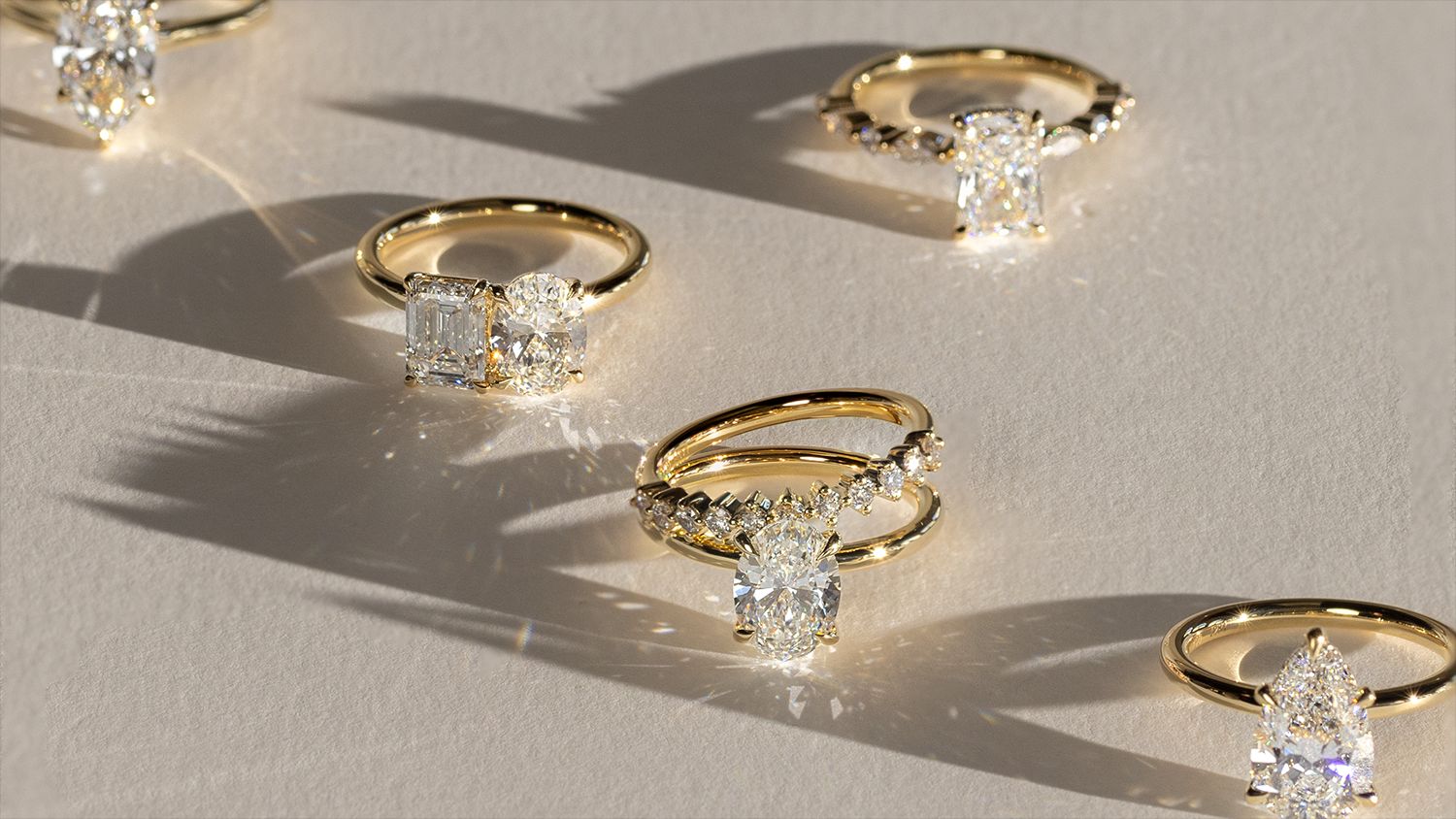
If you’re thinking about designing a ring, there are some great examples of how jewellers are blending tradition with modern tech. Sites like custom made engagement rings explain the differences with clarity and help buyers feel informed rather than overwhelmed.
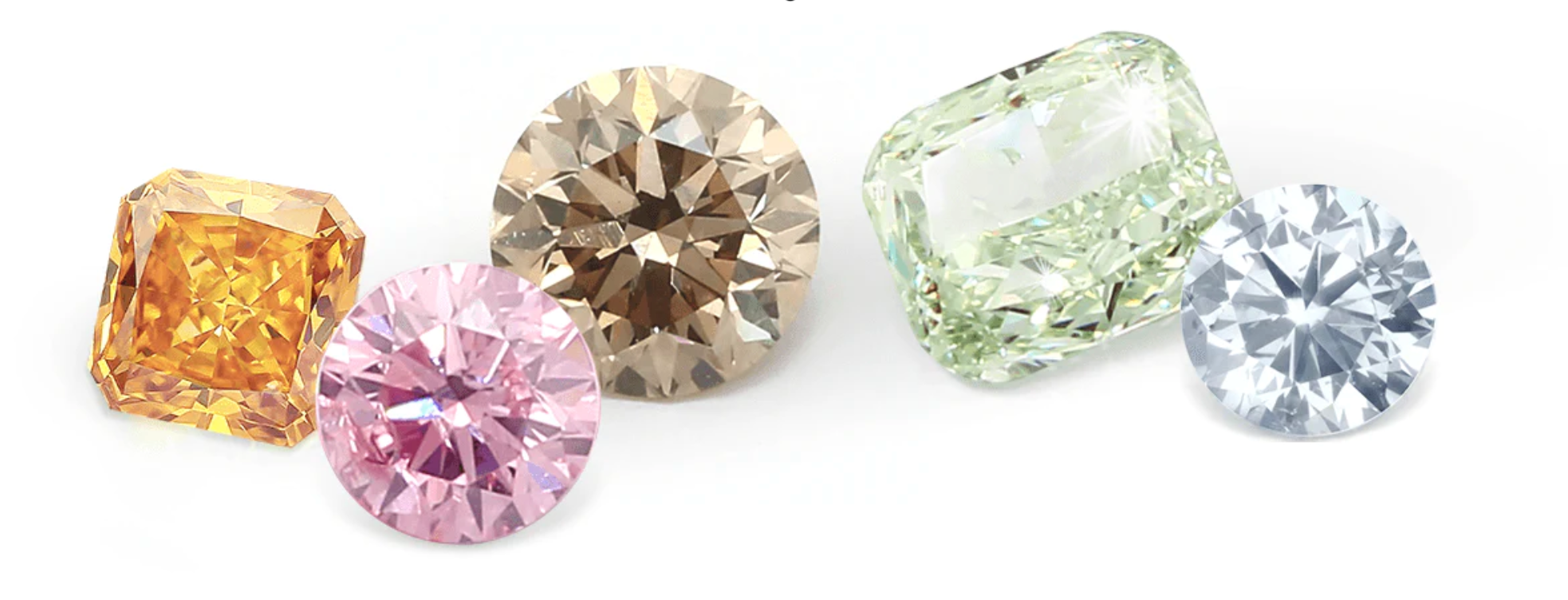
And for anyone who loves DIY jewellery (a hobby I secretly adore), lab stones open up creative possibilities that once felt out of reach. I’ve seen clever guides like man made diamonds that show just how accessible diamond-inspired designs have become.
Jewellery is meant to be personal, expressive, and joyful — not stressful. Lab diamonds really do contribute to that sense of freedom.
A Quick Side-by-Side Summary (Without the Marketing Fluff)
Here’s the simple comparison I show clients:
| Feature | Natural Diamond | Lab-Grown Diamond |
|---|---|---|
| Origin | Formed in the Earth | Created in a lab |
| Appearance | Identical visually | Identical visually |
| Price | Higher | Significantly lower |
| Sustainability | Mining required | Lower-impact production |
| Ethics | Regulated but varies | Transparent supply chain |
| Investment | Holds value better | Loses value faster |
| Availability | Limited | Easily accessible |
Most people, after seeing this, realise both options are “right” — it just depends on what feels meaningful to them.
A Little Story That Stuck With Me
A couple came in recently with a sweet and slightly funny argument happening between them. She loved the idea of a natural diamond — “something with history,” she said. He preferred the practicality and ethics of a lab-grown stone.
After talking through the differences, I asked them what mattered most emotionally, not just logically.
She paused for a moment and admitted that what really mattered wasn’t the diamond’s age — it was the story they were about to start together.
They ended up choosing a lab-grown diamond for the centre stone and setting it in a vintage-style ring inspired by her grandmother’s. It was the perfect mix of old soul and new values.
I thought that was a lovely compromise, and honestly, it reminded me why this job never gets old.
So, Which One Should You Choose?
I’ve learned this: the best diamond isn’t the rarest or the most expensive or the one the industry says you “should” want.
The best diamond is the one that feels right to you.
If you love the idea of something formed deep in the Earth before civilisation existed, then a natural diamond will speak to you in a way that nothing else can.
If you’re more excited by innovation, ethics, affordability, and freedom to choose a bigger or brighter stone, then a lab-grown diamond is going to make you happy every time you look at it.
And happiness — that’s what jewellery is really about.
Final Thoughts
I’ve spent years polishing, setting, grading, and admiring diamonds of every kind. And the truth is, both natural and lab-grown stones have a beauty that speaks to different people for different reasons.
So next time you find yourself researching the diferencia entre diamante natural y de laboratorio, don’t worry about choosing the “right” option for everyone else. Choose the one that matches your values, your story, and your future.
At the end of the day, a diamond — whichever kind you choose — isn’t special because of where it came from.