
Lab Diamond Earrings: Ethical, Affordable, and Stunning Alternatives to Mined Diamonds
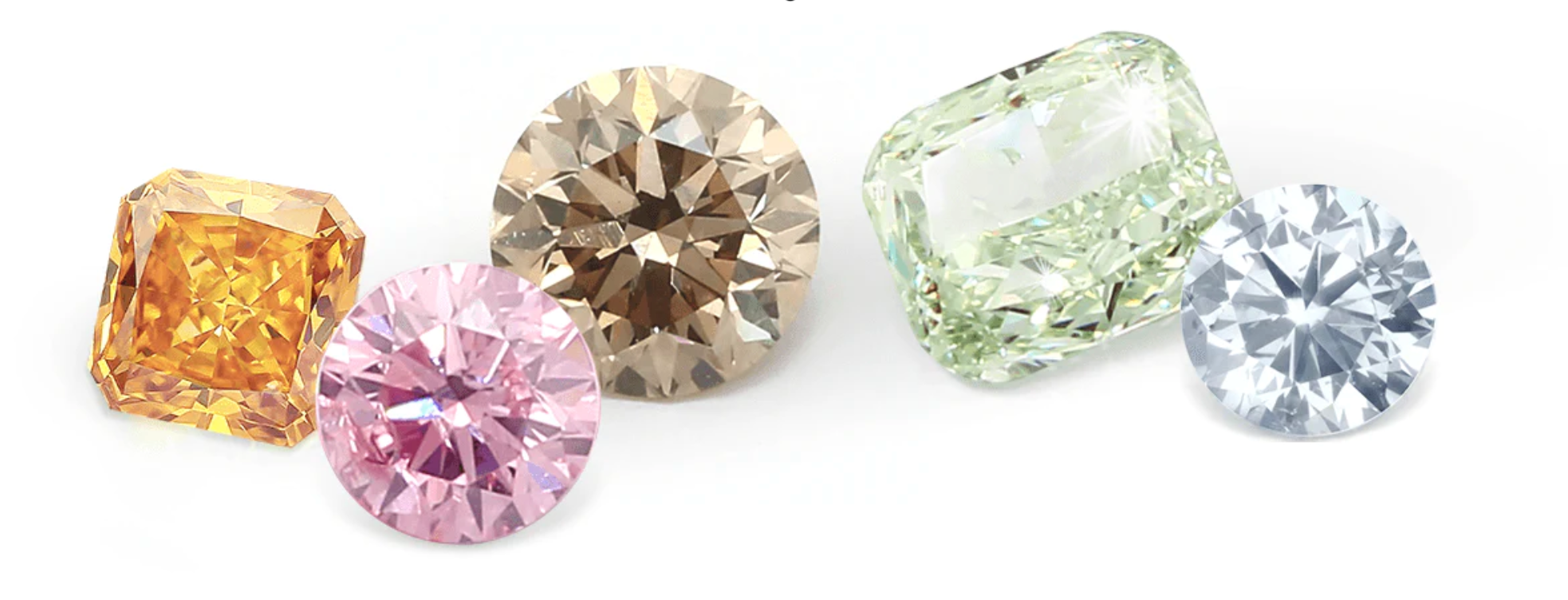
Diamond earrings have long been a symbol of elegance, sophistication, and timeless beauty. But as consumer values shift toward sustainability, transparency, and affordability, lab-grown diamonds have emerged as a powerful alternative to mined diamonds—offering the same sparkle, brilliance, and durability without the ethical baggage or inflated price tag.
Lab diamond earrings are now one of the most popular choices for modern jewelry buyers. Whether it’s a classic pair of studs, a dazzling halo drop earring, or a bold fashion-forward design, lab-grown diamonds offer unmatched value in today’s jewelry market.
In this article, we’ll explore what lab diamond earrings are, how lab-grown diamonds are created, how they compare to mined diamonds, and what you should know before buying them.
Table of Contents
What Are Lab Diamond Earrings?
Lab diamond earrings are earrings that feature diamonds created in a laboratory setting, rather than mined from the earth. These diamonds are chemically, physically, and optically identical to natural diamonds. The key difference lies in their origin: while natural diamonds are formed deep within the Earth’s mantle over billions of years, lab diamonds are grown in a controlled environment in a matter of weeks.
Lab diamond earrings can be found in a variety of styles, including:
-
Solitaire studs
-
Halo earrings
-
Drop earrings
-
Hoop earrings
-
Cluster earrings
-
Ear climbers
The diamonds themselves are graded and certified in the same way as natural diamonds, typically by reputable labs such as the GIA (Gemological Institute of America) or IGI (International Gemological Institute).
How Are Lab Diamonds Made?
There are two main methods used to create lab-grown diamonds:
1. High Pressure, High Temperature (HPHT)
This process mimics the natural formation of diamonds by subjecting carbon to extremely high pressure and temperature, similar to the conditions found deep within the Earth. A small diamond seed is placed in carbon, and under intense heat and pressure, the carbon melts and crystallizes around the seed, forming a larger diamond.
2. Chemical Vapor Deposition (CVD)
This more modern technique involves placing a diamond seed in a vacuum chamber filled with carbon-rich gases. The gases are heated to create a plasma that breaks down the molecules, causing carbon atoms to bond to the seed and grow layer by layer into a full-sized diamond.
Both methods result in genuine diamonds that are virtually indistinguishable from mined diamonds, even to trained gemologists.
Lab vs. Natural Diamonds: What’s the Difference?
When comparing lab diamonds to natural diamonds, the differences are minimal in terms of appearance and quality. However, there are significant differences in cost, origin, and environmental impact.
✅ Similarities
-
Appearance: Lab diamonds exhibit the same sparkle, brilliance, and fire as mined diamonds.
-
Durability: Both are rated 10 on the Mohs scale, making them ideal for everyday wear.
-
Grading: Lab and natural diamonds are both graded based on the 4Cs—Cut, Color, Clarity, and Carat.
-
Certifications: Both can come with certification from leading gemological labs.
❌ Differences
| Feature | Lab-Grown Diamond | Natural Diamond |
|---|---|---|
| Origin | Created in a lab | Mined from Earth |
| Environmental Impact | Low (uses fewer resources) | High (land damage, emissions) |
| Ethics | Conflict-free by default | Risk of conflict sourcing |
| Cost | 30-60% less expensive | Higher due to rarity |
| Rarity | Not geologically rare | Formed over billions of years |
Benefits of Lab Diamond Earrings
Choosing lab diamond earrings isn’t just a budget-friendly decision—it’s also an ethical and environmental one. Here are the top benefits:
1. Affordability
Lab-grown diamonds typically cost 30-60% less than natural diamonds of similar size and quality. This means you can get larger or higher-quality stones for the same price—or simply spend less.
2. Ethical Sourcing
Lab diamonds are inherently conflict-free, meaning they’re not associated with regions or practices that fund violence or exploit workers. This makes them a guilt-free option for socially conscious buyers.
3. Eco-Friendly
Diamond mining requires massive energy, water, and land resources. In contrast, lab-grown diamonds use significantly less energy and water, and create less ecological disruption. Some manufacturers even use renewable energy to further reduce their carbon footprint.
4. Identical Beauty
Lab diamonds are indistinguishable from natural ones to the naked eye. They have the same hardness, brilliance, and sparkle, making them just as beautiful—and more accessible.
5. Customization
Because of the lower cost, buyers can invest in custom designs or larger carat weights that might be prohibitively expensive with natural stones.
Popular Styles of Lab Diamond Earrings
Whether you’re shopping for yourself or choosing a meaningful gift, lab diamond earrings come in a wide variety of styles:
★ Solitaire Stud Earrings
The most classic and versatile choice. A single lab diamond on each ear, set in white gold, yellow gold, rose gold, or platinum. Available in round, princess, oval, or cushion cuts.
★ Halo Earrings
A center lab diamond surrounded by a “halo” of smaller diamonds, amplifying the sparkle and size of the earrings.
★ Drop Earrings
Elegant and eye-catching, lab diamond drop earrings feature diamonds suspended from the ear, often in a linear or teardrop design.
★ Hoop Earrings
Hoop earrings adorned with lab diamonds add glamour to a classic shape, perfect for both casual and formal occasions.
★ Cluster or Floral Earrings
Multiple lab diamonds arranged in a clustered or floral pattern, offering a bold and unique look.
★ Ear Climbers & Jackets
For trend-forward wearers, these designs feature diamonds that “climb” the ear or add a decorative jacket behind a stud.
How to Choose the Best Lab Diamond Earrings
When shopping for lab diamond earrings, consider the following:
1. The 4Cs
Even lab diamonds vary in cut, color, clarity, and carat. Choose the right balance based on your budget and style preferences.
-
Cut: A well-cut diamond sparkles more.
-
Color: D-E-F are colorless and more valuable, but G-H offer great value.
-
Clarity: Higher clarity means fewer inclusions, but earrings don’t require perfection.
-
Carat: Choose the size that suits your budget and desired look.
2. Metal Choice
Common options include:
-
White gold: Modern and versatile
-
Yellow gold: Warm and traditional
-
Rose gold: Romantic and trendy
-
Platinum: Durable and hypoallergenic (but more expensive)
3. Certification
Always choose lab diamond earrings that come with a certification from a reputable lab such as IGI or GIA. This guarantees that you’re getting a genuine lab diamond, graded for quality.
4. Retailer Reputation
Buy from trusted jewelers who provide transparent grading reports, ethical sourcing information, and a return policy or warranty.
Are Lab Diamond Earrings a Good Investment?
While lab-grown diamonds don’t hold their resale value as well as natural diamonds, it’s important to understand that most diamond jewelry (natural or lab) isn’t a strong financial investment. Jewelry is generally bought for personal use, aesthetic value, and emotional significance—not financial returns.
That said, because lab diamond earrings cost significantly less upfront, they offer a much better value-for-money proposition, especially when compared to natural diamond pieces of the same size and quality.
Final Thoughts
Lab diamond earrings represent a powerful fusion of luxury, science, and ethics. They allow consumers to enjoy the beauty and prestige of diamonds without the environmental damage or ethical concerns of traditional mining. And with the dramatic cost savings, you can afford bigger, better, or more personalized pieces.
Whether you’re shopping for timeless diamond studs, romantic halo drops, or fashion-forward designs, lab diamond earrings offer a modern sparkle you can feel good about—inside and out.


